SANU Faculty of Theology Hosts 2026 Theology Students and Leaders Conference
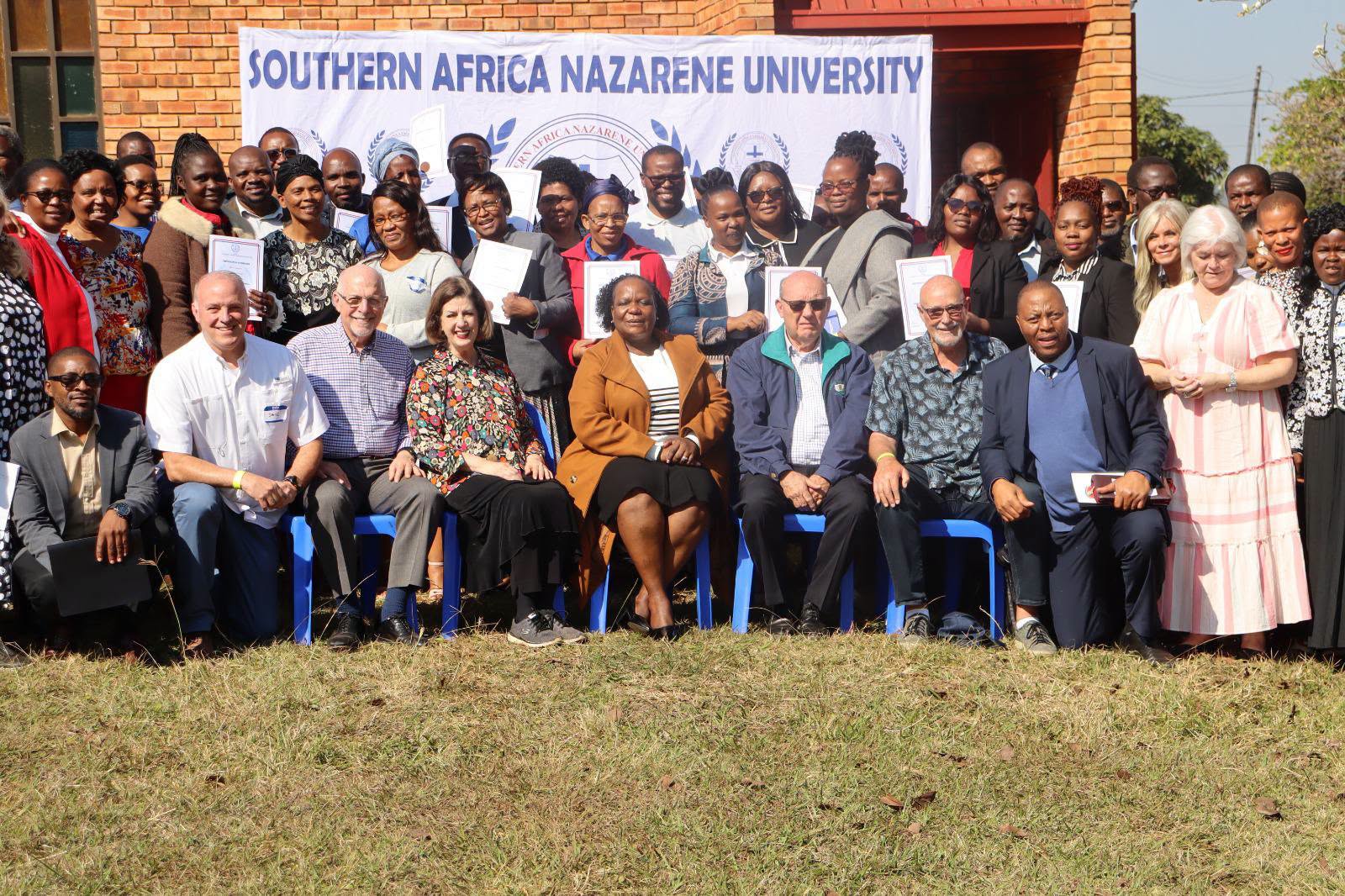
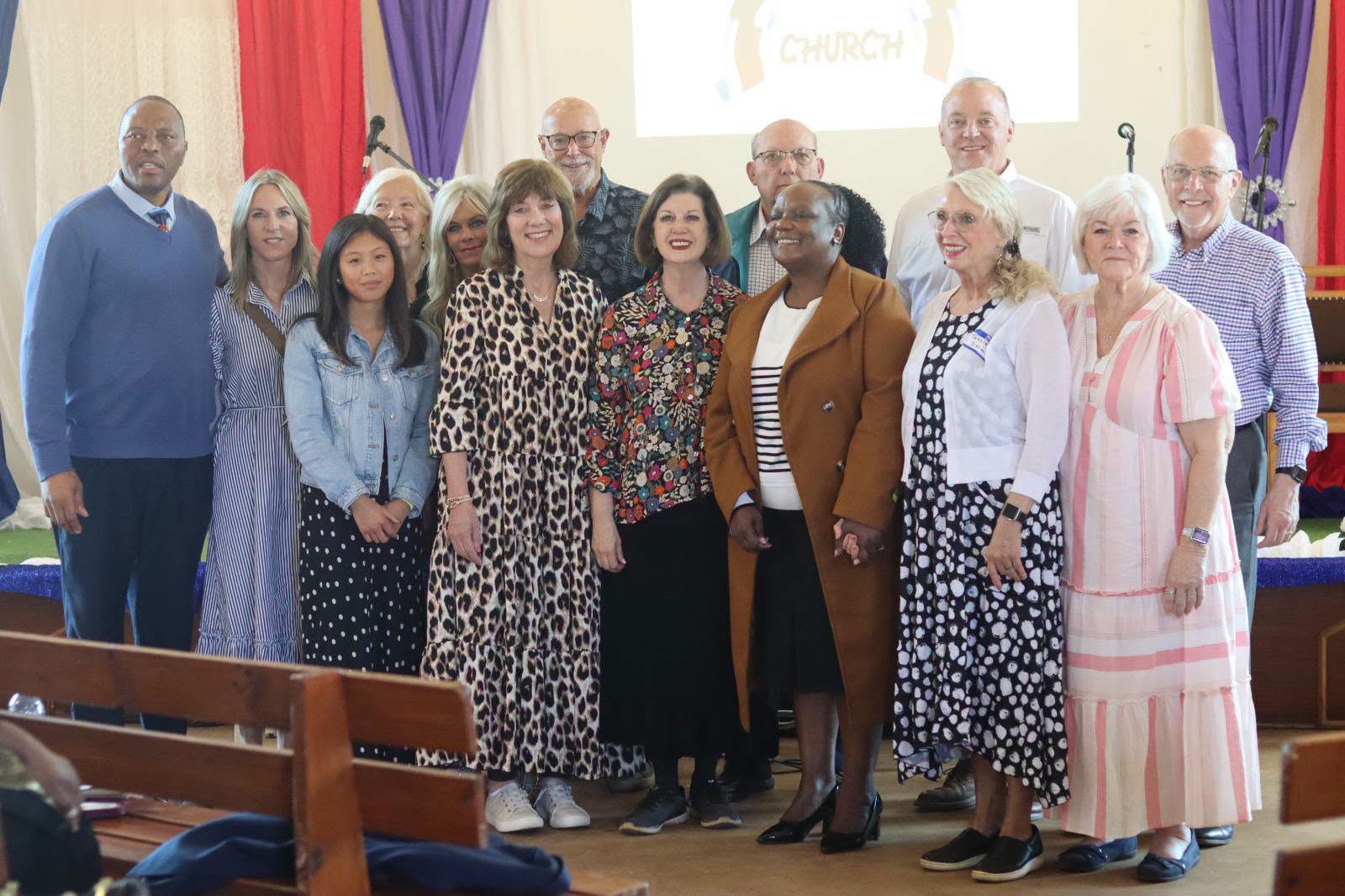
The Southern Africa Nazarene University (SANU) Faculty of Theology, in partnership with Bethany First Church of the Nazarene, successfully hosted the 2026 Theology Students and Leaders Conference at the SANU Siteki Campus from 16–17 July 2026.
Focusing on the theme “The Local Church”, the conference brought together theology students, church leaders, SANU Management and ministry practitioners for two days of biblical reflection, practical ministry training, worship, and fellowship. Participants explored the role of the local church in fulfilling God’s mission while strengthening their leadership and ministry capacity.
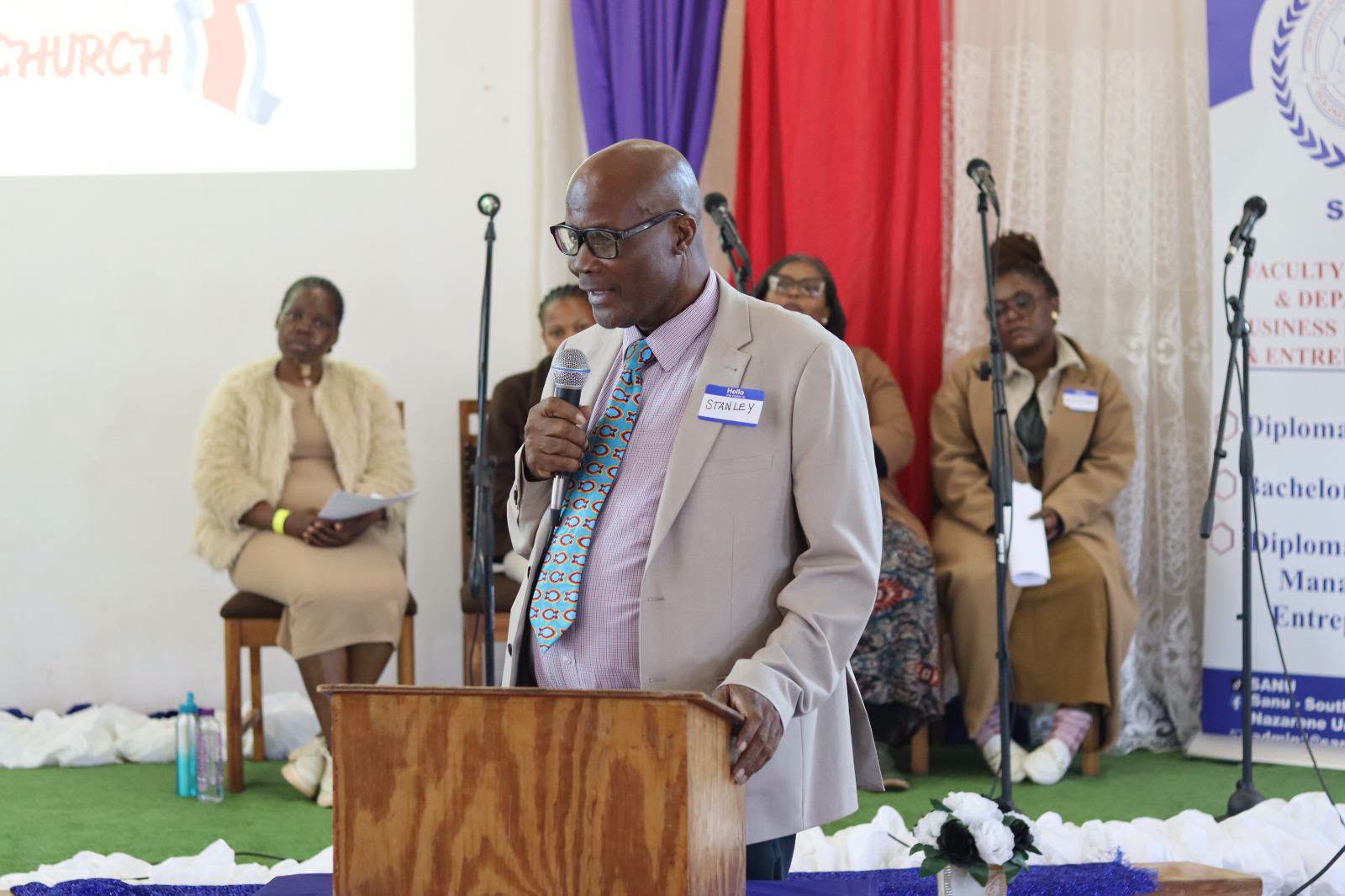
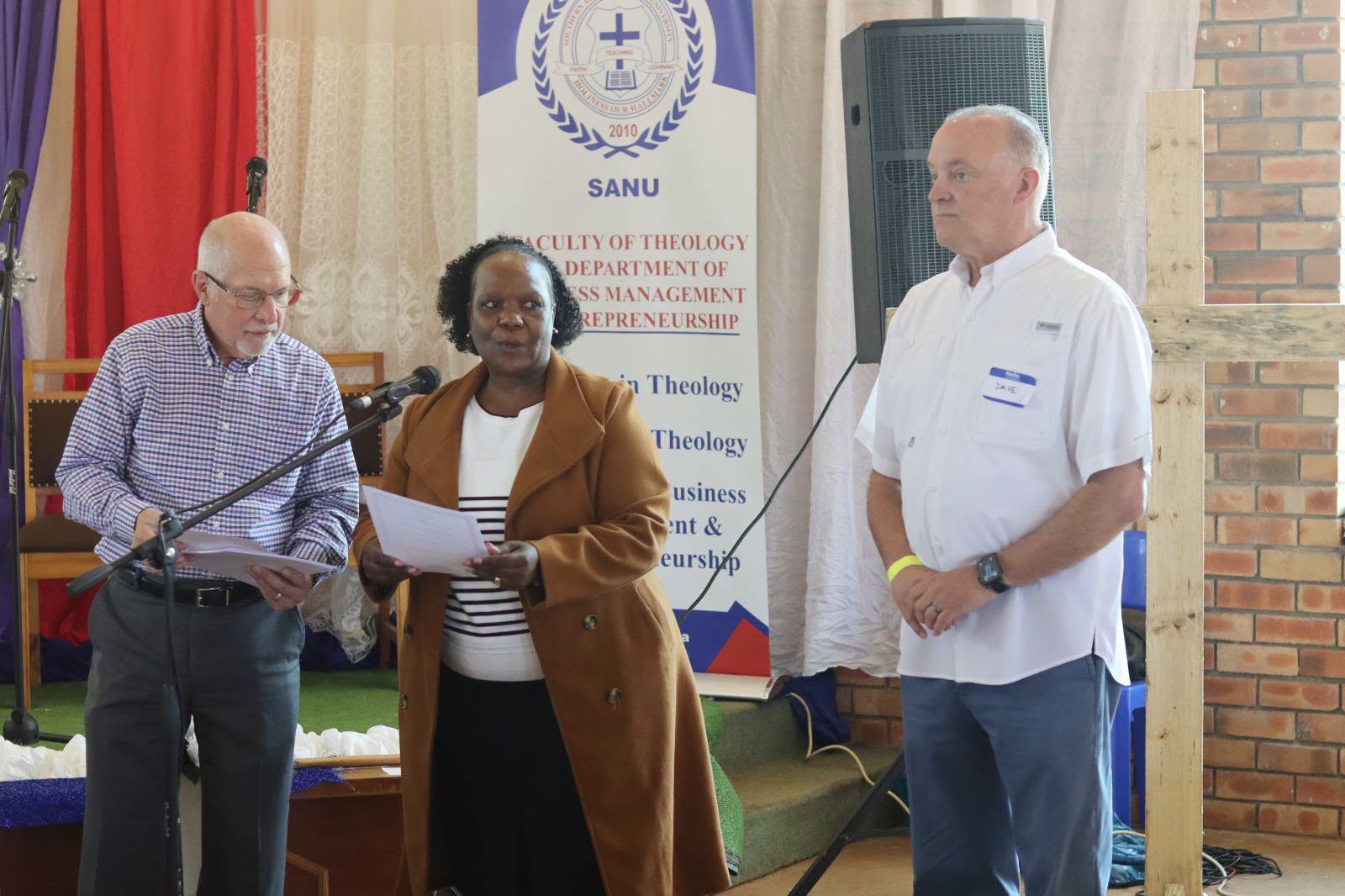
The conference featured inspiring presentations from experienced church leaders and educators. Dr. Dave Hazel challenged participants through sessions on “Living in Tension” and “Multiplier,” encouraging them to embrace a disciple-making mindset and actively participate in the mission of making Christ-like disciples. Dr. Karl Westfall shared a biblical perspective on the Church, emphasising Christ’s love for the Church and the responsibility of believers to faithfully serve and strengthen it. Rev. Gaylene Simms encouraged spiritual growth through her presentation, “Spiritual Growth for You and Your Church,” while Rev. Ron Scarlett highlighted the importance of prayer in Christian life and ministry through his session, “The Privilege of Prayer.” The conference provided opportunities for meaningful engagement through breakout discussions, where students and church leaders shared experiences, reflected on ministry challenges, and encouraged one another.
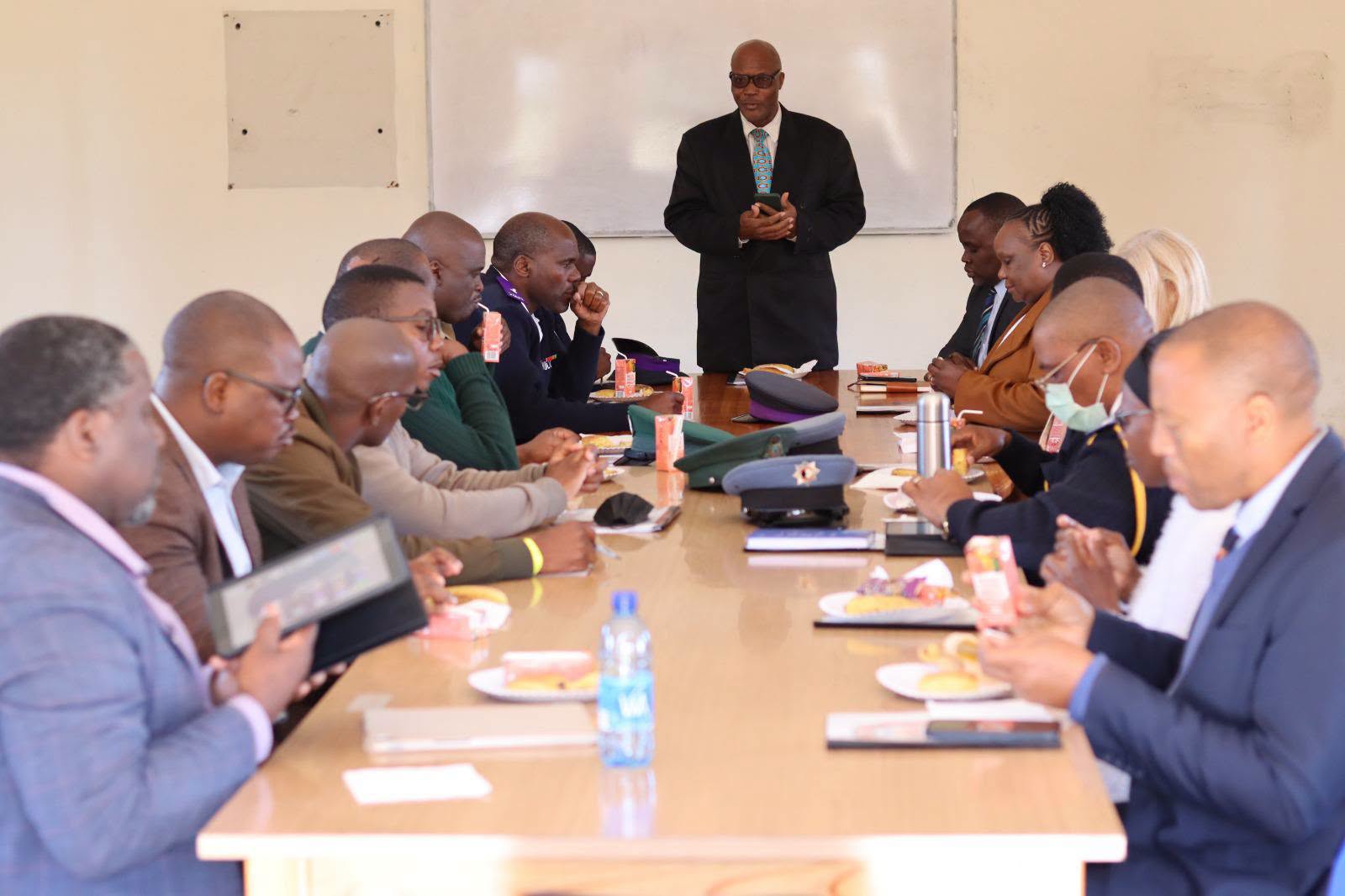
A key highlight of the conference was a presentation on Chaplaincy by Ms. Deirdre McCool, Executive Vice President of the Butterfield Foundation, USA. The session brought together chaplains and representatives from the Royal Eswatini Police Service (REPS), His Majesty’s Correctional Services (HMCS), Umbutfo Eswatini Defence Force (UEDF), Fire and Emergency Services, the Ministry of Education and Training, and Eswatini Nazarene Health Institutions. The discussion underscored the increasing demand for structured chaplaincy training to prepare men and women for ministry in diverse institutional settings. Participants explored the critical role of chaplains in providing holistic spiritual care, pastoral counselling, emotional support, and crisis response within public and faith-based institutions. The session also highlighted opportunities for collaboration in strengthening chaplaincy ministry across Eswatini.
The conference concluded with a renewed commitment among participants to strengthen the local church, cultivate Christ-like disciples, and faithfully serve their communities through effective and compassionate ministry.