SANU Launches INSIGHT-ES Project to Advance Injury Documentation and Research
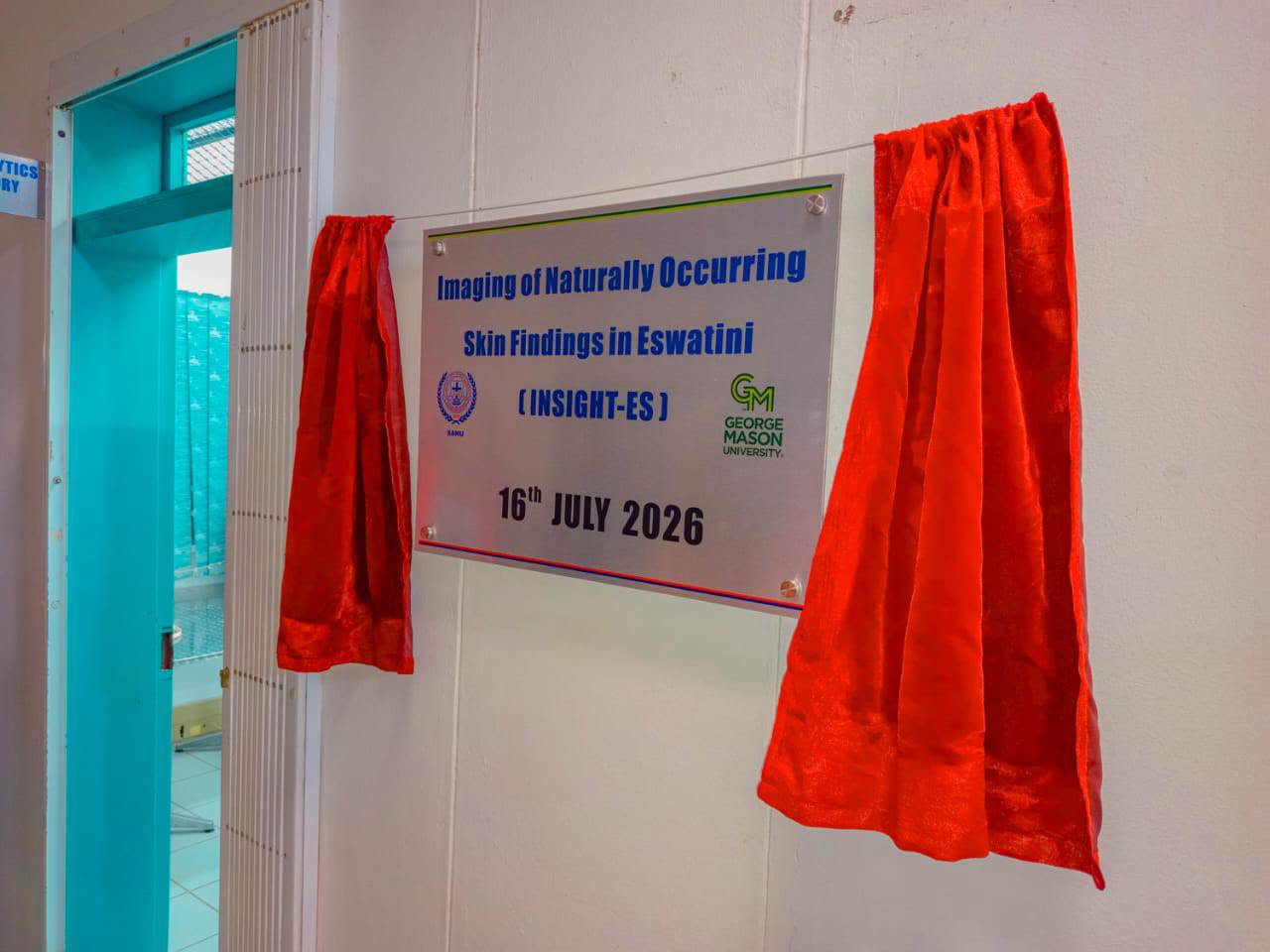
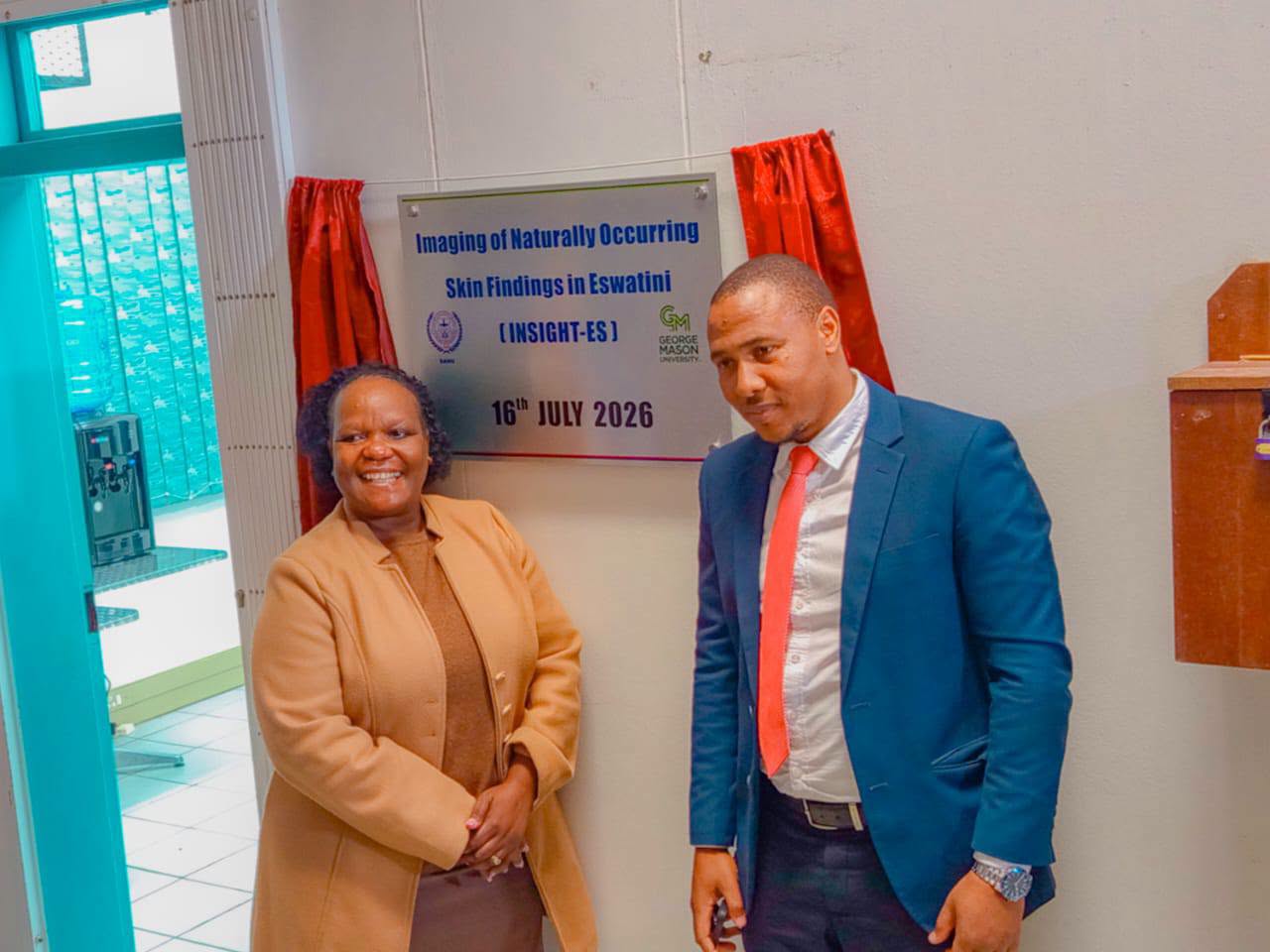
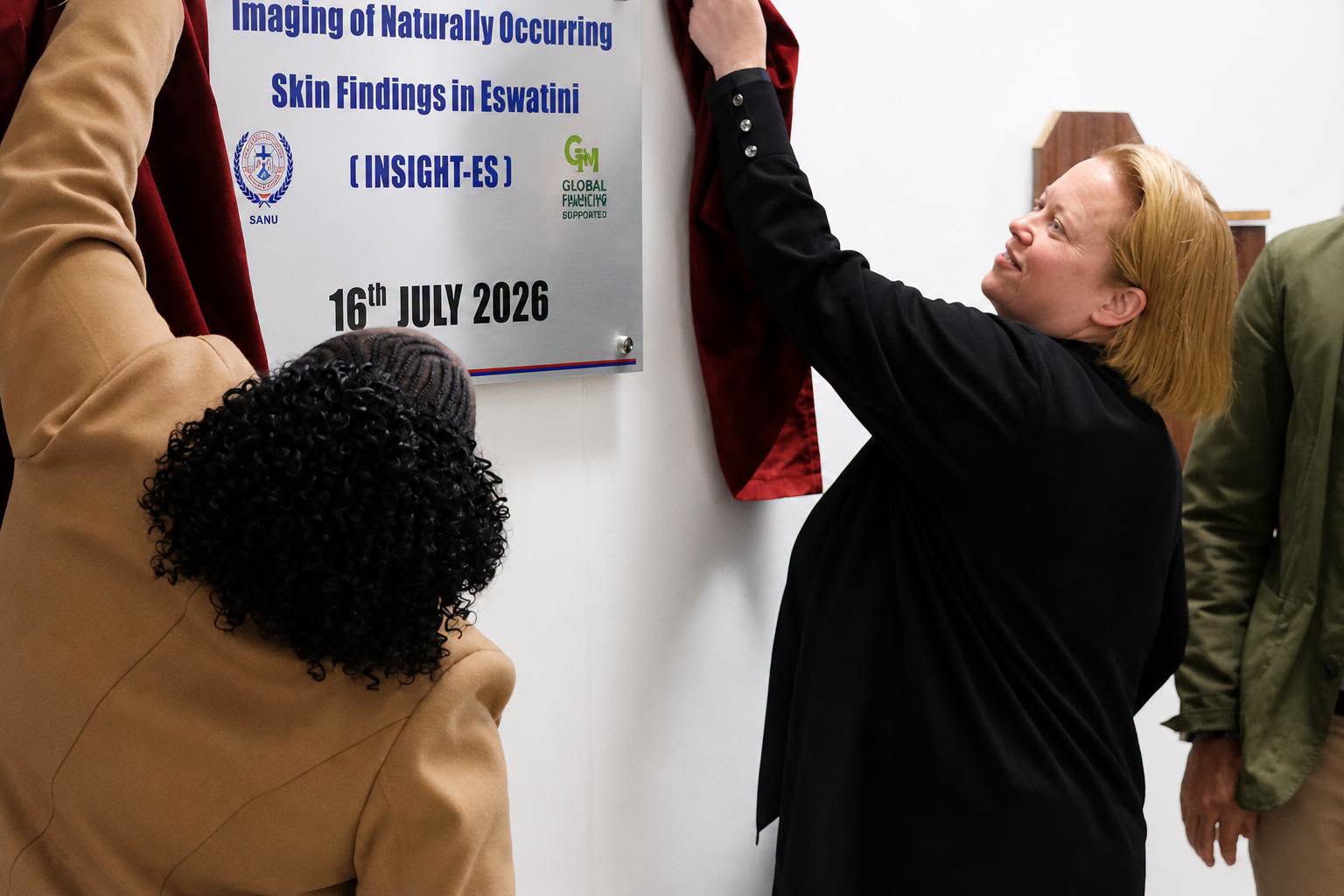
On 16 July 2026, Southern Africa Nazarene University (SANU) officially launched the Imaging of Naturally Occurring Skin Findings in Eswatini (INSIGHT-ES) project, marking a significant milestone in the University’s expanding international research and knowledge exchange collaborations. Through this partnership with the Injury Analytics Lab at George Mason University, SANU has secured a research subaward that will support innovative research to improve skin-based injury documentation and advance forensic science.
The INSIGHT-ES project aims to improve the identification and documentation of skin-based injuries in people with darker skin tones. Many existing medical reference images and diagnostic tools have been developed using limited population groups, making it challenging for healthcare professionals and investigators to accurately assess and document injuries across diverse communities. By addressing this gap, the project will contribute to more equitable healthcare, stronger forensic investigations, and improved outcomes for all patients. Speaking during the launch, Prof. Katherine Scafide, a representative from George Mason University, highlighted the importance of the project. “The tools and reference images that clinicians and investigators rely on do not always reflect the full diversity of the people they serve. That gap has real consequences, especially for the most vulnerable members of society.” To address this challenge, the project will create a secure, de-identified repository of soft-tissue injury images collected in Eswatini. Researchers will use both standard white-light photography and Alternate Light Source (ALS) imaging, an advanced technology that uses different wavelengths of light to reveal injuries that may not be visible to the naked eye.
Beyond advancing research, the INSIGHT-ES project also aims to strengthen local research capacity at SANU. Academic staff will receive mentorship, technical support, and hands-on experience in research design, data analysis, and scientific publishing, equipping them to lead future research initiatives and contribute to global scientific knowledge. Emphasizing the collaborative nature of the partnership, Professor Scafide said: “We are not only here to conduct research in Eswatini, but also to build research capacity with SANU by working alongside your staff as colleagues and partners”.
SANU Vice Chancellor, Dr. Faith Mlotsa-Mngomezulu, described the project as a significant investment in the University’s future. “This grant does more than fund technology. It strengthens our regional capacity in healthcare delivery and justice systems while empowering our researchers to lead alongside internationally recognized institutions.”
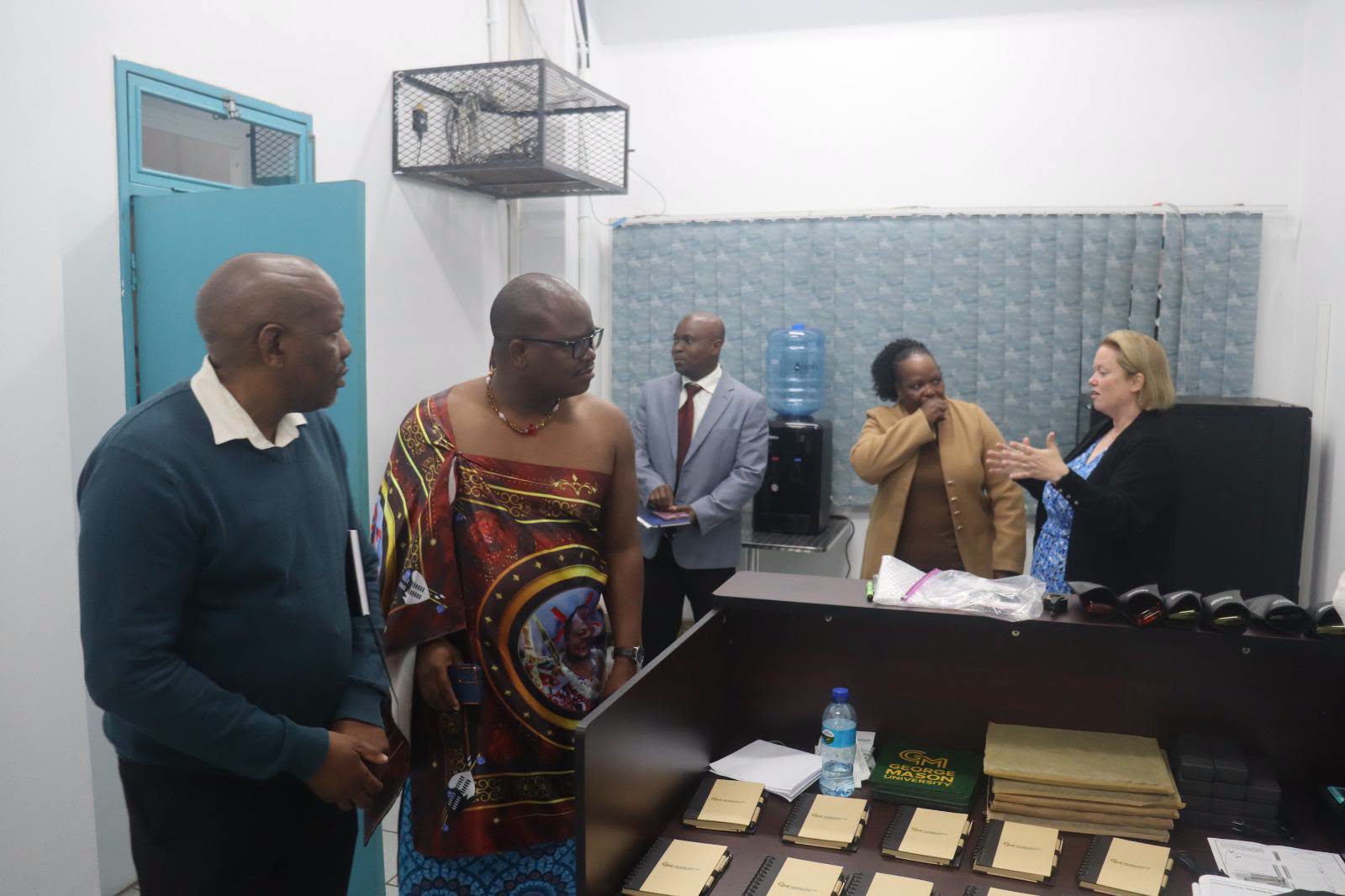
The launch brought together leaders from academia, healthcare, law enforcement, and the legal profession, underscoring the project’s national significance and its potential to strengthen collaboration across multiple sectors. Among those in attendance were members of SANU Executive Management, representatives from the Royal Eswatini Police Service, Eswatini Nazarene Health Institutions (ENHI), the Law Society of Eswatini, Eswatini Nazarene Health Institutions, SANU staff, as well as the George Mason University delegation comprising Emily Swann, Professor Kevin Mallinson, Professor Janusz Wojtusiak, Professor Katherine Scafide, and Professor David Lattanzi